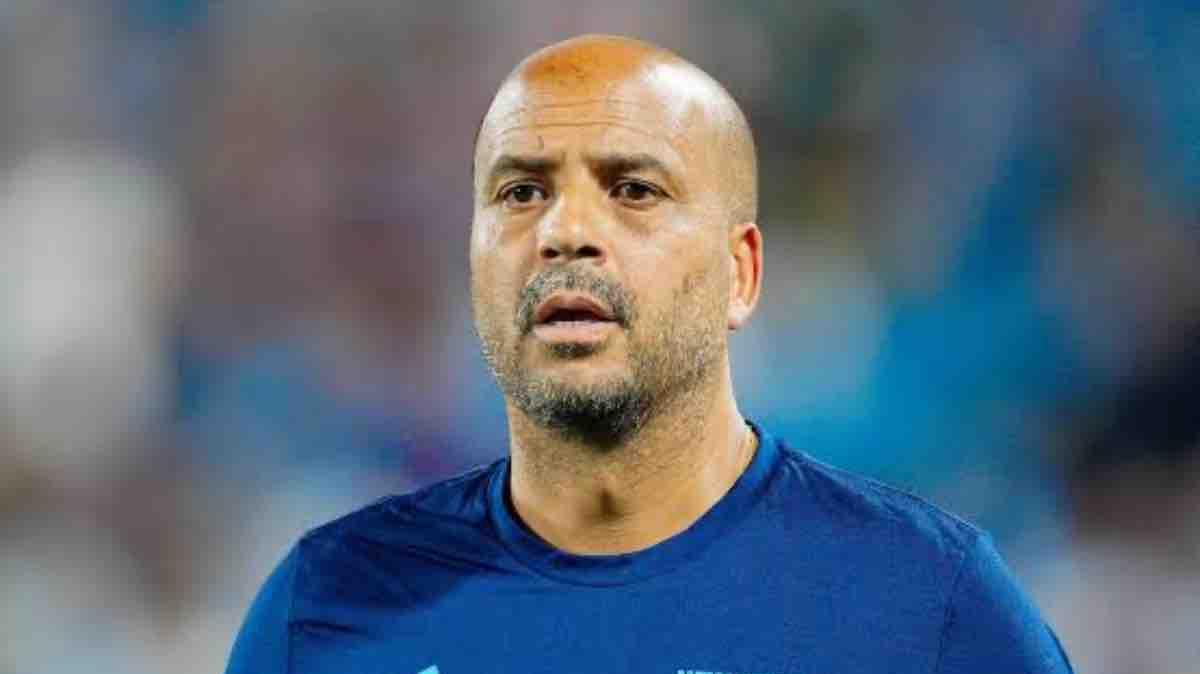
Missing the playoffs makes NYCFC’s 2026 season a competitive failure. That judgment does not mean every player underperformed or that the club must abandon its entire project. It means New York City FC fell short of a central sporting objective: remaining in contention for the championship beyond the regular season.
The 1-0 Decision Day victory over D.C. United, secured by Talles Magno’s late goal, provided a positive ending. It could not change the larger outcome. NYCFC entered the finale knowing that playoff qualification was already beyond reach.
That distinction should guide the review of the campaign. A satisfying final performance deserves recognition, but it cannot substitute for an honest assessment of the season.
A Final-Day Victory Cannot Repair a Missed Objective
There was genuine value in the way NYCFC won its last match.
Matt Freese made important saves, Bénie Traoré contributed from the bench, and Magno finished the decisive counterattack with composure. The players continued competing despite having no route into the postseason.
Those details matter when evaluating professionalism and individual contributions. They also give the coaching staff useful examples of actions worth repeating.
However, the competitive stakes had already disappeared. NYCFC was playing to finish positively rather than to extend its season.
The failure occurred across the campaign that left the team eliminated before the final whistle on Decision Day.One win cannot reverse that, just as one defeat alone would not explain it.
What Does “Failure” Actually Mean for NYCFC?
The word can become unhelpful when it replaces analysis.
Calling the season a failure should identify the distance between the club’s objective and its result. It should not imply that every decision was wrong, every performance was poor or every developing player failed to progress.
A team can improve in certain areas and still finish below the required competitive standard. The responsibility of the club is to understand why those improvements did not produce enough results.
For NYCFC, the necessary questions are specific:
Did the squad provide enough reliable options across the season?
Did the coaching staff make effective use of the available players?
Were promising performances converted into points consistently enough?
Which problems repeated themselves without an adequate response?
These questions demand evidence from the full campaign. The final match offers examples, but it cannot establish the causes of an entire season’s shortcomings.
Pascal Jansen Must Be Part of the Review
As head coach, Pascal Jansen carries responsibility for the team’s competitive performance. His tactical decisions, lineup choices, substitutions and player development work should all be examined.
The D.C. United victory contained a positive example of his in-game management: Traoré entered from the bench and helped create the winning goal.
That contribution deserves credit. It also illustrates why the evaluation must be broader than a simple argument for or against the coach.
The club should assess whether its tactical approach consistently created suitable opportunities, whether players understood their responsibilities and whether adjustments addressed recurring difficulties.
Missing the playoffs is a legitimate reason for scrutiny. It is not, by itself, enough evidence to conclude that changing the coach would solve the underlying problems.
Any decision about Jansen should follow a clear diagnosis of what went wrong and what can realistically improve.
Recruitment and Squad Construction Deserve Equal Attention
A serious review cannot place the entire burden on the touchline.
The roster determines many of the choices available to the coach. Recruitment, positional balance and depth influence how well a team handles absences, fixture demands and changes in form.
NYCFC should examine whether it assembled a group capable of delivering consistently, rather than simply identifying players who produced encouraging moments.
That means separating potential from dependable contribution. A talented player may offer significant long-term value while still requiring support from teammates who can provide reliable performances now.
There is no need to assume that the answer is a complete rebuild. Equally, continuity should not become a reason to avoid addressing clear weaknesses.
The important distinction is between retaining a functioning foundation and repeating decisions that did not work.
Talles Magno’s Winner Offers a Building Block, Not an Excuse
The decisive move against D.C. United showed qualities NYCFC can carry forward.
Tayvon Gray’s defensive intervention started the transition. Traoré turned and accelerated into space before releasing Magno, who finished accurately.
It was a sequence built on several players completing their roles. The goal belonged to the scorer, but the opportunity depended on the actions that came before it.
That is a useful image for the club’s next steps. Individual quality becomes more valuable when the team creates conditions in which it can consistently influence results.
Magno’s winning goal should be treated as an example to build upon, rather than evidence that the season’s problems have disappeared.
Supporters Are Entitled to Expect More
Fans can appreciate the final victory while remaining dissatisfied with the campaign.
There is no contradiction between supporting the players and demanding a better competitive outcome. Nor should disappointment automatically be dismissed as impatience.
Progress needs to be explained through identifiable improvements: stronger performances, clearer roles, more reliable production and better results over time.
If the club describes the season as a foundation for future success, it must show what that foundation contains. General promises about growth will carry less weight than concrete decisions and visible improvement.
Supporters deserve an account of what the organization believes went wrong and how its next steps will address it.
The Response Will Determine the Lasting Meaning of 2026
NYCFC cannot change its failure to qualify for the 2026 MLS playoffs. It can control the quality of its response.
The offseason review should establish priorities, assign responsibility fairly and distinguish between problems requiring personnel changes and those that can be improved through coaching.
The standard for the next campaign should also be clear. Competitive progress must eventually appear in the standings and in the team’s ability to remain involved when the season reaches its decisive stage.
The 2026 season fell short. The win over D.C. United gave NYCFC a positive final moment, but the club’s next challenge is to build a team whose most meaningful matches come after Decision Day.
Other news - The Opinion








Other news
- 10:00 NYCFC Missing the Playoffs: Was 2026 a Failure?
- 09:47 Talles Magno’s Late Goal Gives NYCFC 1-0 Win Over D.C. United
- 09:44 Knicks Beat Cavaliers 109-97 as Brunson and Towns Lead the Way
- 09:14 NYCFC Face Five Absences Ahead of Montréal Clash as O’Neill Remains a Doubt
- 09:09 Knicks Fall to 76ers 98–93 in NBA Cup Opener
- 14:00 Etihad Park Could Transform NYCFC Matchdays: What Fans Should Watch Next
- 13:00 NYCFC vs. Montréal: Three Questions That Could Shape New York’s Next Test
- 05:00 NYCFC Won Against Atlanta, but the Late Equalizer Still Deserves Attention
- 04:00 Nicolás Fernández Mercau Gives NYCFC a Crucial Set-Piece Option
- 03:00 Matt Freese Kept NYCFC in Contention Before Traoré Stole the Headlines
- 02:30 Knicks Trade Proposal Swaps Karl-Anthony Towns for Bam Adebayo
- 02:00 Alonso Martínez Injury Concern Forces NYCFC to Consider Its Attacking Alternatives
- 01:30 Knicks Expected to Decline Pacome Dadiet’s $5.37 Million Option: What It Means
- 01:00 NYCFC’s Playoff Hopes Survive: Why the Final Two Games Still Require Help
- 00:01 New York City FC Announces 2027 MLS Sprint Season Schedule
- 23:39 Bénie Traoré Delivers for NYCFC: Can His Stunning Winner Become a Turning Point?
- 09:00 NYC Marathon Preparations Accelerate as NYPD Announces Major Security Operation
- 08:46 Traoré’s Stoppage-Time Stunner Keeps NYCFC’s Playoff Hopes Alive
- 08:00 Brunson Scores 38 as Knicks Erase 19-Point Deficit to Beat Bulls
- 19:00 NYCFC vs Atlanta United: Five Signs That Would Show Real Progress
- 18:00 Has NYCFC Lost Its Identity? The Questions Behind a Difficult Season
- 17:24 Mikal Bridges Delivered From Deep While Jalen Brunson Found Another Way to Score
- 17:00 What Should NYCFC Prioritize When Planning Its Next Squad?
- 16:00 Which NYCFC Players Have the Most to Prove Before the Season Ends?
- 15:00 Three Games Left: What Would a Meaningful Finish Look Like for NYCFC?
- 14:00 Who Will Take Responsibility When NYCFC Needs It Most?
- 13:00 Why NYCFC Must Improve Its Management of Winning Positions
- 12:00 NYCFC vs Atlanta United Preview: New York Faces a Crucial Test as Time Runs Out
- 08:12 Karl-Anthony Towns Delivers a 27-Point, 20-Rebound Statement as Knicks Finally Win
- 05:00 Matt Freese’s Availability Could Shape NYCFC’s Final Stretch
- 04:00 Atlanta United Is Struggling Too—But NYCFC Cannot Afford Complacency
- 03:00 Four Home Wins: Why NYCFC Must Give Its Fans Something Back
- 02:00 What NYCFC Must Learn From Its Previous Atlanta United Disappointment
- 01:00 NYCFC Is Fighting to Avoid an Unwanted Place in Club History
- 00:01 Can NYCFC Still Reach the Playoffs? The Challenge Facing the Boys in Blue
- 22:30 NYCFC vs Atlanta United: A Must-Win Game for More Than Just the Playoffs
- 22:04 If Tomás Romero Starts, NYCFC Must Give Him Better Protection
- 21:37 NYCFC Faces Atlanta United With More Than Playoff Hopes on the Line
- 21:07 Karl-Anthony Towns Is Giving the Knicks a Reason to Rethink Their Offense
- 18:00 NYCFC Faces Matt Freese Injury Concern at a Crucial Moment
- 17:00 Tyler Kolek Gave the Knicks Nine Reasons to Look Again—But One Big Question Remains
- 16:00 NYCFC’s Next Transfer Window Should Start With These Three Questions
- 15:00 NYCFC II’s Playoff Exit Leaves a Bigger Question About the Club’s Future
- 14:00 NYCFC and the Red Bulls Have Another Battle Beyond Derby Day
- 13:00 The Costly Mistakes NYCFC Can No Longer Afford
- 09:00 Jalen Brunson Owns Late Mistakes as Knicks’ Shooting Woes Deepen
- 07:57 Harry Kane Wins the 2026 Ballon d’Or Ahead of Mbappé and Lamine Yamal
- 03:00 Jalen Brunson Takes Responsibility as Knicks’ Winless Start Exposes Costly Problems
- 02:00 Andrés Perea Offered NYCFC a Lifeline—Can the Midfield Deliver More?
- 01:00 NYCFC vs. Atlanta United: Three Questions That Could Define a Crucial Night
- 00:05 James Sands’ Message Highlights What NYCFC Need Under Pressure
- 23:00 NYCFC’s Attacking Problem Goes Beyond Missed Chances
- 22:30 Mitchell Robinson Sends Andre Drummond a Message After Knicks Benching
- 22:00 Pascal Jansen Faces NYCFC’s Biggest Question: Why Has Progress Stalled?
- 21:34 NYCFC’s Playoff Hopes Are Fading—Here’s What Must Change Now
- 21:31 Knicks’ Nightmare Start Deepens as Wagner’s Fourth-Quarter Explosion Sends Champions to 0-3