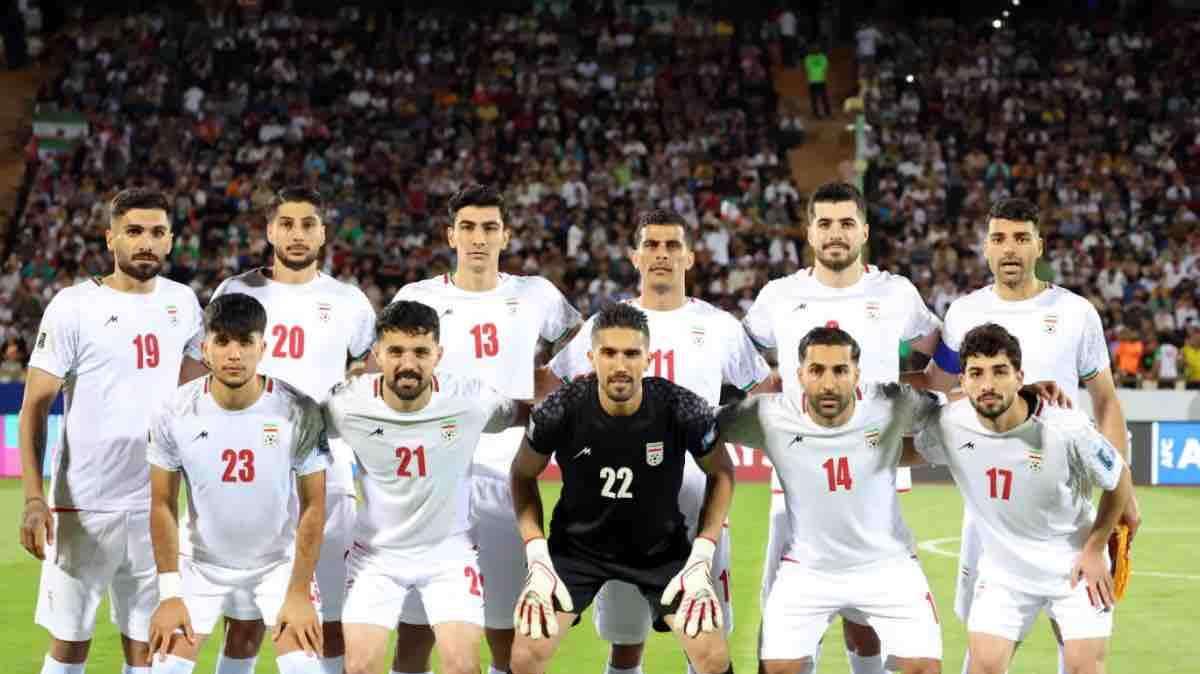
With the 2026 FIFA World Cup drawing closer, FIFA is facing increasing criticism over a growing controversy involving Iran’s national team delegation and access to the United States.
The issue emerged after reports indicated that while Iranian players have reportedly obtained visas to participate in the tournament, several members of the coaching staff, administrative personnel and support team have encountered difficulties securing entry into the country. The situation has reignited concerns about whether all qualified nations will be able to compete under equal conditions during football’s biggest event.
For FIFA, the controversy strikes at the heart of one of the organization’s most important promises: ensuring that every nation earning qualification has a fair opportunity to participate in the World Cup regardless of political tensions or diplomatic disputes.
Visa Uncertainty Creates New Challenges for Iran’s World Cup Preparation
The reported visa complications have already had practical consequences for Iran’s preparations.
According to multiple reports, concerns surrounding entry permissions forced the Iranian Football Federation to reconsider parts of its logistical planning for the tournament. One of the most significant adjustments involved relocating the team’s training base from the United States to Mexico, a decision aimed at avoiding potential travel complications and administrative uncertainty.
While the players are expected to be available for competition, the possible absence of key staff members could create operational challenges. Modern international football teams rely heavily on analysts, medical personnel, coaches, logistics experts and support staff to ensure optimal preparation and performance during major tournaments.
Any restrictions affecting those individuals could place a qualified nation at a competitive disadvantage before the tournament even begins.
The controversy also raises broader questions regarding tournament planning and the ability of participating federations to operate effectively across multiple host countries.
FIFA Faces Growing Questions Over Its Commitments
The situation has intensified scrutiny of FIFA President Gianni Infantino and the governing body's previous assurances regarding access for all participating nations.
Throughout the lead-up to the 2026 World Cup, FIFA repeatedly emphasized that every qualified team would be welcomed and able to compete. However, critics argue that guaranteeing participation extends beyond players stepping onto the field. It also includes ensuring that entire delegations can function normally throughout the tournament.
Although FIFA does not possess authority over national immigration policies, some observers believe the organization should anticipate potential diplomatic complications when awarding hosting rights and work proactively with governments to prevent such situations from emerging.
The controversy highlights the increasingly complex relationship between global sport and international politics. As the World Cup expands and spans multiple host nations, FIFA may find itself under greater pressure to address concerns involving travel restrictions, visa policies and equal treatment for all participants.
With the tournament less than a year away, football's governing body now faces a delicate challenge. How FIFA responds could influence perceptions of fairness and inclusivity at a competition that prides itself on bringing together nations from every corner of the world.
As preparations continue, the global football community will be watching closely to see whether a solution can be found that preserves both the integrity of the tournament and the principle of equal access for every qualified team.
Other news - World Cup 2026










Other news
- 18:00 NYCFC Turn Their Focus to New England: What Must Improve After Nashville?
- 16:30 Can NYCFC Keep Competing Until Moralez, Parks and Hannes Wolf Return?
- 15:00 NYCFC 0-0 Nashville: One Point Gained or Two Points Lost?
- 21:30 NYCFC Defend With Character, but the Attack Still Needs More Ruthlessness
- 20:00 Aiden O’Neill Makes His Mark for NYCFC: A Valuable Defensive Option for Pascal Jansen
- 18:30 NYCFC Show Their Depth: Seven Players Missing, Yet Another Clean Sheet
- 17:00 Pascal Jansen’s NYCFC Rotation Worked Defensively — But Questions Remain in Attack
- 15:30 Nico Fernández Mercau Sets the Tone: Why His Pressing Is Crucial for NYCFC
- 14:00 Bénie Traoré and Luighi Show Early Chemistry: NYCFC’s New-Look Attack Is Taking Shape
- 23:00 Luighi’s Next Step at NYCFC: From Rising Star to Consistent MLS Threat
- 22:00 Raul Gustavo’s Costly Scare: What NYCFC Must Learn From the Mukhtar Chance
- 21:00 Malachi Jones Nearly Wins It for NYCFC: Has He Earned More Minutes?
- 20:00 Agustín Ojeda Shines for NYCFC: Is a Breakout Run About to Begin?
- 19:00 NYCFC’s Biggest Problem Is Clear: Who Is Going to Score the Goals?
- 18:00 Matt Freese Saves NYCFC Again: Is He Becoming the Team’s Most Important Player?
- 17:28 NYCFC Held to 0-0 Draw by Nashville SC at Yankee Stadium
- 18:30 NYCFC Need Their Identity Back: What Happened to the Aggressive, Fearless Team Fans Expected?
- 17:00 What Should NYCFC’s Real Goal Be Now: MLS Cup, a Playoff Run or Building for 2027?
- 15:30 Nashville and New England Could Define NYCFC’s Season — The Next Two Games Suddenly Feel Massive
- 14:00 Can NYCFC’s Young Core Carry the Club Into Its Next Era?
- 20:00 NYCFC’s Next Transfer Window Could Define the Future: Three Positions New York Must Reinforce
- 18:30 Is Pascal Jansen Building the Right NYCFC for the Future? The Answer Is Still Complicated
- 17:00 NYCFC Need a Killer Instinct: Good Performances Are No Longer Enough
- 15:30 From MLS Cup Dreams to Playoff Anxiety: Where NYCFC Really Stand Right Now
- 14:00 Can NYCFC Still Win MLS Cup in 2026? Five Reasons to Believe — and Five Reasons to Worry
- 19:00 NYCFC’s Defense Has Talent — So Why Does It Still Look So Vulnerable?
- 17:30 The Keaton Parks Question: Is He Still Essential to NYCFC’s Midfield Future?
- 16:00 Without Alonso Martínez, NYCFC Need a New Source of Goals — Who Is Ready to Step Up?
- 14:30 Luighi’s Big NYCFC Opportunity: Can the Brazilian Prospect Become New York’s Next Starting Striker?
- 13:00 NYCFC’s Five-Game Winless Run Is Becoming a Real Problem — Can Pascal Jansen Fix It Before the Slide Gets Worse?
- 04:00 NYCFC’s Injury Crisis Is Exposing a Bigger Question: Is the Roster Deep Enough to Compete for MLS Cup?
- 03:00 NYCFC Keep Dropping Leads — Is This Becoming a Mental Problem?
- 02:00 Pascal Jansen Under Pressure: Are His In-Game Decisions Costing NYCFC Points?
- 01:00 Matt Freese Keeps Saving NYCFC — But New York Cannot Keep Asking Its Goalkeeper to Rescue Every Game
- 00:01 Nico Fernández Mercau Is Becoming NYCFC’s Most Important Attacking Player
- 23:00 NYCFC Are Sliding at the Worst Possible Time: Five Games Without a Win and the Table Could Turn Ugly
- 22:00 Pascal Jansen’s Risky Substitution Backfired: NYCFC’s Left Side Collapsed Before Toronto’s Equalizer
- 21:00 NYCFC Threw Away Two More Points: This Time Pascal Jansen Has to Share the Blame
- 19:04 NYCFC Let Another Lead Slip: Fernández Mercau Stunner Not Enough to Finish Toronto Job
- 16:00 NYCFC Faces a Season-Defining Night in Toronto: Win or Invite a Playoff Crisis
- 15:00 Etihad Park Installs Its First Seat — NYCFC’s Long-Awaited Home Is Finally Becoming Real
- 14:00 Toronto vs. NYCFC Has Suddenly Become a Must-Win Match for Pascal Jansen
- 13:00 NYCFC’s Playoff Dream Could Be Destroyed by an Unprecedented Injury Emergency
- 19:00 Pascal Jansen’s Ruthless Double Substitution May Have Saved NYCFC’s Season
- 18:00 Has Maxi Moralez Already Played His Final Game for NYCFC?
- 17:00 NYCFC’s Injury Crisis Is Getting Out of Control — Can the Playoff Push Survive?
- 16:00 This One-of-One Knicks Championship Card Could Become a Record-Breaking Collectible
- 15:00 James Sands Is Becoming NYCFC’s Emotional Leader at Exactly the Right Time
- 14:00 Matt Freese’s Incredible Double Save May Have Rescued NYCFC’s Season
- 13:00 NYCFC Makes Bold Move for Alexandru Musi — Is He the Missing Piece in New York’s Attack?
- 07:54 NYCFC Rejects $25 Million for Nico Fernández Mercau: Ambition or a Massive Gamble?